AmareIsGod wrote: ↑Mon Jan 26, 2026 9:36 pm
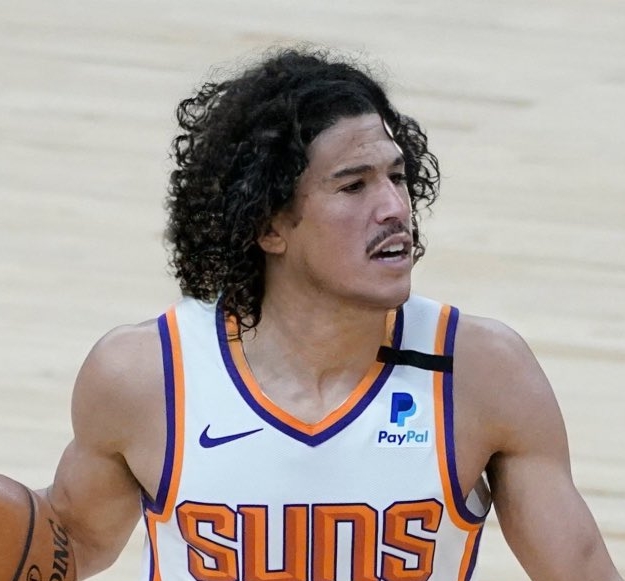
In elite athletics, a recurring injury like Jalen Green’s creates a feedback loop where physical vulnerability and psychological "guarding" become inseparable.
Key Points: The "Normalcy" of Re-injury
High Recurrence Rates: Hamstring injuries have one of the highest re-injury rates in the NBA, with studies showing between 16% and 38% of players suffer a setback in the same season.
The "Guard" Response: What feels like physical "tightness" is often the brain preemptively contracting the muscle to prevent what it perceives as an imminent tear.
Conditioning vs. Healing: While the muscle fibers may have healed, they often haven't regained the "elastic memory" required for NBA-level explosive movements.
Standard Protocol: His 33-game absence followed by a "precautionary" exit is a textbook example of how teams manage high-value, explosive guards.
Is it Physical or Psychological?
In Green’s case, the distinction is blurry. When a player feels "tightness" after only four minutes of play, it is usually a sign of neuromuscular guarding. The brain remembers the trauma of the initial injury and the 33 games missed. To protect the limb, the nervous system limits the muscle's range of motion, which the player feels as a physical "tug" or "knot."
1. The Physical Reality
Hamstrings are "bi-articular" muscles, meaning they cross both the hip and the knee. For a player like Green, whose game is built on sudden deceleration and verticality, the hamstring is under immense tension. Even if an MRI shows the tissue is "clean," the scar tissue or slight loss in eccentric strength makes the muscle more prone to "cramping" under game intensity. This isn't "fake" pain; it is a real physical limitation triggered by the body’s defense mechanisms.
2. The Psychological Component
The "mostly psychological" part usually refers to Kinesiophobia—the fear of movement. After multiple setbacks (China, preseason, and now January), Green is likely hyper-aware of every sensation in his right leg. In sports psychology, this is known as "internal focus." Instead of focusing on the rim or the defender, he is subconsciously monitoring the back of his leg. This mental load can actually lead to the very stiffness he’s trying to avoid, as he isn't moving with his natural, fluid mechanics.
Is This "Normal"?
Unfortunately, for his specific archetype—the high-flying, explosive "twitch" athlete—this is very normal.
The "Stop-Start" Cycle: Players like Devin Booker and Chris Paul have faced similar multi-month "hamstring sagas."
The Recovery Curve: The first 5% of recovery (getting back to walking) is easy; the last 5% (getting back to 100% sprint speed without fear) is the hardest part and where most setbacks occur.
Current Outlook
The fact that the Suns labeled his exit "precautionary" is actually a positive sign. It suggests he didn't feel a "pop," but rather a "warning" from his body. At 23 years old, the Suns are prioritizing his long-term availability over a random January road game.





 Rasheer Fleming